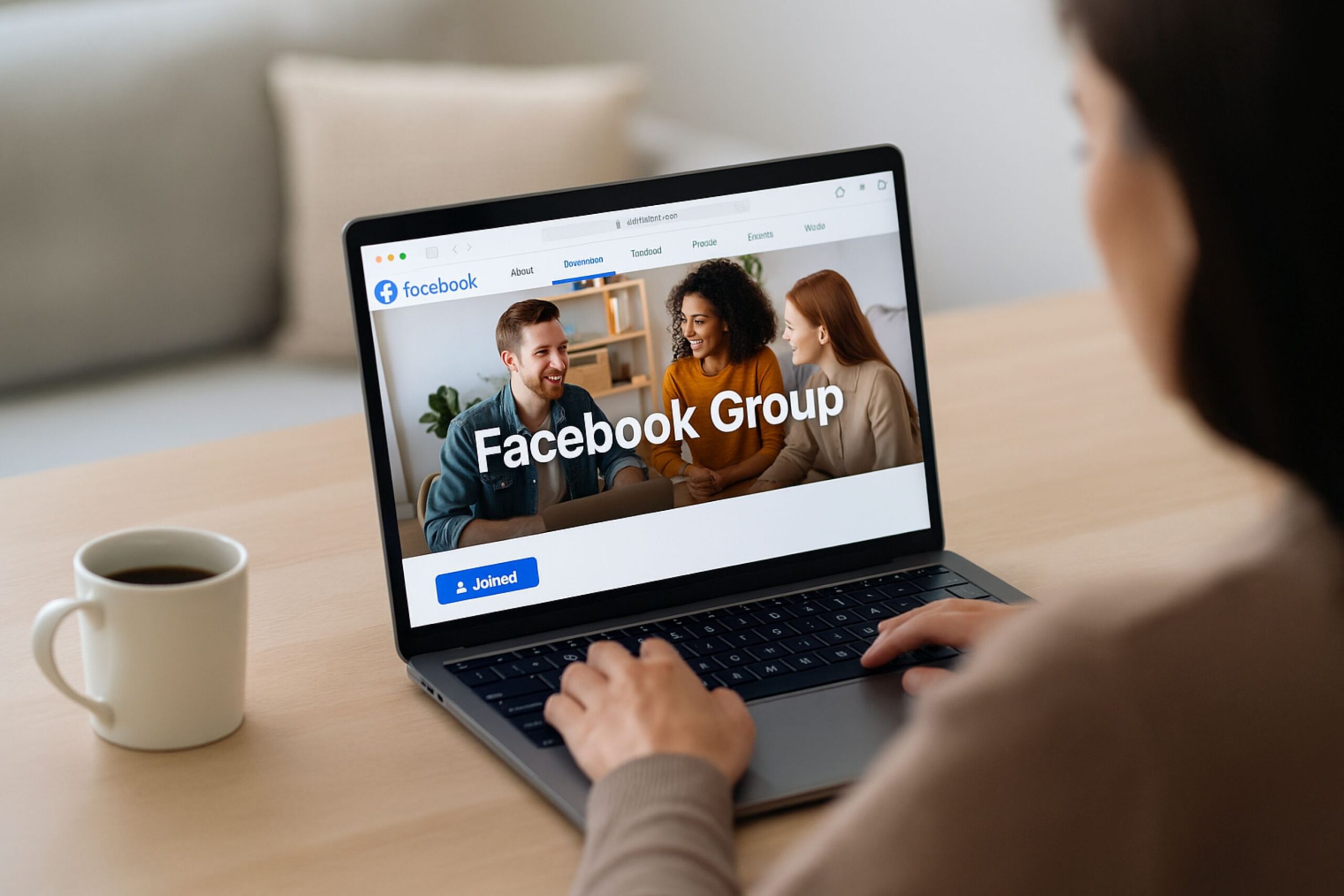
Facebook Groups create a dedicated, interactive environment where people with common interests can connect, exchange ideas, and support one another. Unlike Facebook Pages, which focus on broadcasting updates, groups encourage two-way conversations and make members feel part of a collective. Facebook’s algorithm prioritizes group posts in users’ feeds, giving you more organic reach without relying on paid advertising.
Beyond basic interaction, groups offer powerful features such as polls for gathering opinions, topic tagging for organizing discussions, events for coordinating meetups or online sessions, and file sharing for distributing resources.
These tools make collaboration easier, keep content organized, and foster a stronger sense of belonging among members.
How Do You Choose the Right Facebook Group Type to Match Your Goals?
Selecting the correct group type is a critical first step because it directly influences your visibility, engagement, and growth potential.
- Public groups are visible to anyone and ideal if you want to attract a broad audience or increase brand awareness. They are easily discoverable in Facebook search results, but be prepared to moderate more actively to maintain quality discussions.
- Private groups require admin approval to join and strike a balance between exclusivity and accessibility. They help members feel safe sharing opinions or personal experiences while still being searchable.
- Hidden (secret) groups are completely invisible in searches and can only be joined via an invite. These are best for specialized networks, beta testing communities, or small, high-trust circles where privacy is essential.
For sustainable community growth, many group owners choose private groups—they’re visible enough to attract quality members but exclusive enough to foster meaningful interactions and build trust over time.
How Can Facebook Group Rules Encourage Positive Engagement?
Setting clear, practical rules ensures your Facebook Group stays focused, welcoming, and free from disruptive behavior. Well-written guidelines explain what is acceptable, how members should interact, and what types of posts are encouraged. This clarity helps maintain quality discussions and reduces the amount of moderation needed.
Avoid rules that are so restrictive they discourage participation—overly tight control can make members hesitant to post. Instead, focus on standards that protect the community, such as zero tolerance for harassment, hate speech, irrelevant self-promotion, or spam. For example, you might allow sharing of external resources only if they directly support the discussion topic.
Place your rules where members will see them immediately: pin them at the top of the group, add them to your “About” section, and include them in a welcome post for new members. This way, expectations are clear from the start, making it easier to enforce them fairly.
What’s the Best Way to Attract the Right Members to a Facebook Group?
The quality of your Facebook Group depends on the quality of its members. To attract people who will engage meaningfully, start by optimizing your group’s name, description, and keywords for Facebook search.
Include relevant terms your audience is likely to search for, such as “family travel tips,” “digital nomad networking,” or “eco-friendly lifestyle advice.” This improves discoverability and ensures your group appears in relevant search results.
Promote your group in places where your target audience already spends time: related Facebook Groups (with permission from admins), niche online forums, LinkedIn communities, newsletters, Instagram bios, or relevant blog posts.
Share your group link with a short, compelling reason to join, highlighting the value or exclusive benefits members can expect.
Encourage current members to invite like-minded friends. This peer-to-peer growth strategy often leads to more engaged members because they join through personal recommendations rather than random discovery.
Over time, a steady stream of relevant members will strengthen the group’s sense of community and keep conversations valuable.
How Can You Keep Facebook Group Members Active and Engaged?
Long-term engagement in a Facebook Group depends on giving members consistent, meaningful reasons to participate. This means regularly posting conversation starters, running polls to gather opinions, and hosting challenges that encourage creative contributions.
Quick responses to member questions show that participation is valued, and tagging members with relevant expertise invites them into the discussion.
Weekly welcome posts are an excellent way to integrate new members and acknowledge existing ones. You can also feature “Member Spotlights” to highlight contributions and encourage ongoing participation.
Sharing exclusive resources—such as downloadable guides, insider tips, or early access to events—makes members feel rewarded for staying active.
Avoid relying solely on promotional posts. Over-promotion can make a group feel transactional instead of community-driven, which can quickly lower trust and reduce interaction.
The goal is to make the group a place members want to visit, rather than just a marketing channel.
Why Do Content Themes Help Maintain Consistent Interaction?
Content themes create predictable posting patterns that help members know when and how to engage.
Assigning specific days to specific content types—like “Tip Tuesday” for advice sharing or “Friday Q&A” for open questions—establishes a rhythm that makes participation a habit.
For niche groups, tailored themes are even more effective. In a travel-focused Facebook Group, for example, you could have “Monday Destination Itineraries,” “Wednesday Packing Hacks,” and “Saturday Photo Shares.”
This structure not only boosts engagement but also helps you plan content, ensuring the group stays active even when spontaneous posting is low.
What Is the Role of Admins and Moderators in Facebook Group Growth?
Admins and moderators are the backbone of a thriving Facebook Group. Their responsibilities go beyond enforcing rules—they set the tone, nurture discussions, and ensure members feel welcome.
Active leaders model the type of respectful, constructive interaction that they want others to follow.
Delegating responsibilities between admins and moderators helps maintain group health. This can include approving posts, handling membership requests, answering questions, removing spam, and monitoring rule compliance.
Having a clear moderation plan prevents burnout and ensures issues are addressed promptly.
When leadership is visible and responsive, members are more likely to engage, invite others, and see the group as a valuable space worth contributing to.
How Can You Maximize Facebook Group Features to Build a Stronger Community?
Facebook provides a range of built-in features that can significantly improve how your group operates and delivers value.
The Guides feature (formerly known as Units) allows you to organize tutorials, onboarding materials, or frequently used resources in one place, making it easy for members to find important information.
Topics can be used to tag and group related posts, helping new and existing members quickly navigate discussions on specific subjects.
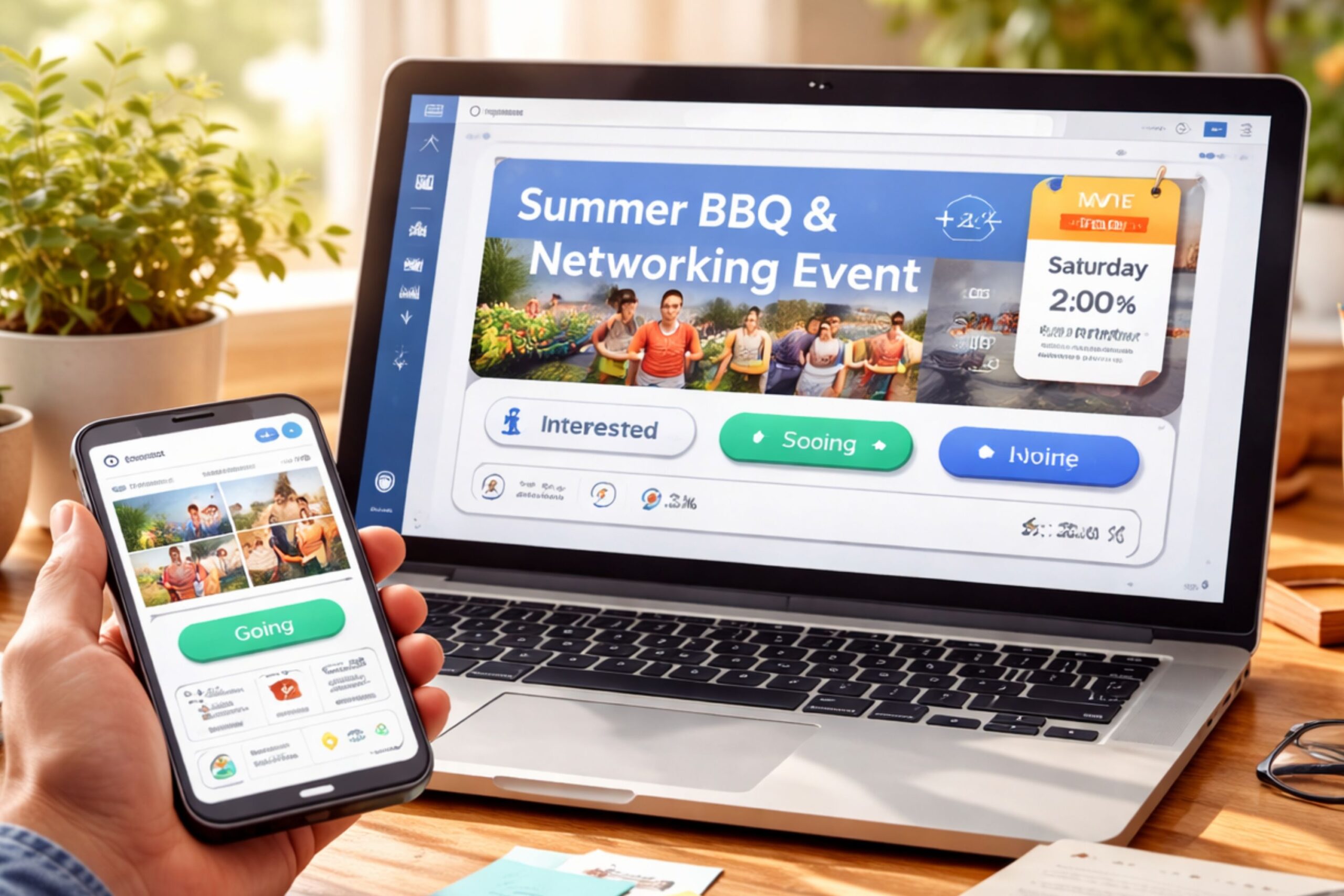
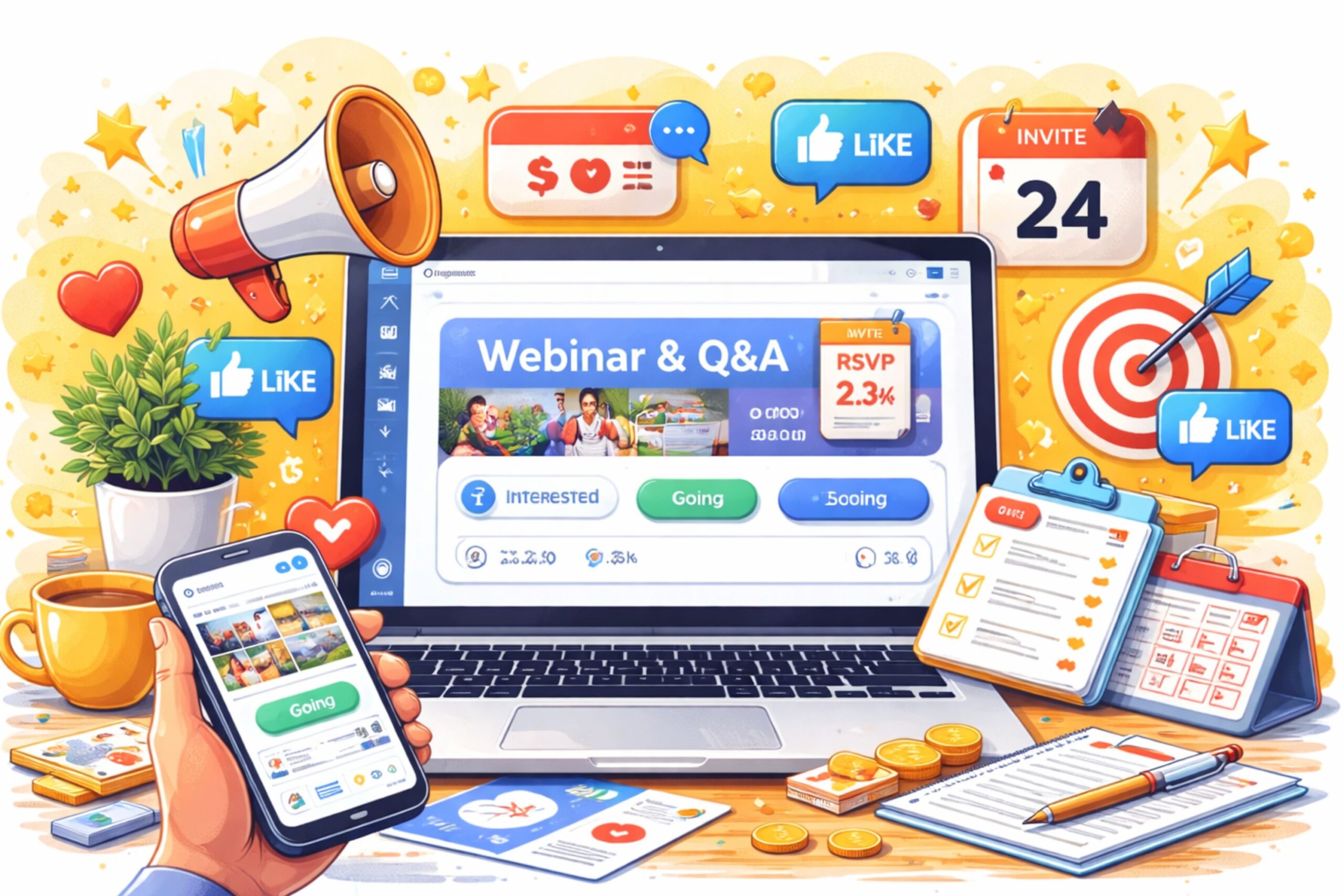
The Events feature is ideal for coordinating online webinars, local meetups, or collaborative projects, adding a real-time, interactive element to your group.
Polls are another valuable tool—they let you gather member feedback, understand preferences, and guide future content based on actual community interest.
By fully utilizing these features, you make your Facebook Group more structured, informative, and member-friendly, which increases satisfaction and long-term participation.
What Are the Best Strategies for Monetizing a Facebook Group Without Losing Trust?
Monetizing a Facebook Group is most successful when done after you’ve built a loyal, engaged community that sees genuine value in being part of it. The focus should always remain on enhancing the member experience, not turning the group into a constant sales channel.
Popular monetization strategies include:
- Paid premium subgroups for members who want deeper or more personalized access.
- Exclusive events or workshops that require ticket purchases.
- Members-only digital resources such as e-books, templates, or video tutorials.
- Brand partnerships and sponsorships that align closely with your group’s focus.
Transparency is key—always inform members when a post is sponsored or when participation in an event requires payment.
This openness protects trust, ensures members feel respected, and keeps the group’s culture intact.
FAQs
How do Facebook Groups differ from Facebook Pages for community building?
Facebook Groups focus on member interaction and peer-to-peer conversation, while Pages are primarily for broadcasting updates from a single brand or person.
Can Facebook Groups help grow an email subscriber list?
Yes, by offering exclusive resources or event sign-ups inside your group, you can collect emails from interested members for future communication.
What metrics should I track to measure Facebook Group success?
Key metrics include active members, engagement rate, post reach, and growth trends. Facebook’s Group Insights provides detailed analytics.
How do you prevent spam in large Facebook Groups?
Use membership screening questions, post-approval settings, and active moderation to keep spam and irrelevant content out of the group.
Are Facebook Groups better for local or global communities?
Both can work—local groups help coordinate in-person activities, while global groups are ideal for niche interests and online networking.
Can search engines index Facebook Group content?
Public group content can appear in search engine results, while private group discussions remain hidden from outside view.
What’s the best posting time for Facebook Group engagement?
Test different times and review Group Insights to see when your members are most active, then post during those peak hours.
How do you handle conflict between members in a Facebook Group?
Address disputes privately, remind members of the rules, and take disciplinary action if necessary to maintain a respectful environment.
Can Facebook Groups be linked to other platforms?
Yes, you can link your group to an Instagram account, website, or other social platforms to drive cross-community engagement.
How can Facebook Group badges improve engagement?
Badges, such as “Conversation Starter” or “Rising Star,” recognize active members and encourage continued participation.
What’s the ideal group size for meaningful interaction?
Groups between 500 and 2,000 members often strike a balance between activity and manageability, though niche groups can thrive at smaller sizes.
How do you keep Facebook Group content fresh?
Use a mix of member-generated posts, industry news, tutorials, and interactive content like polls and challenges.
Can Facebook Groups be used for professional networking?
Yes, many industries use groups for peer networking, job opportunities, skill sharing, and industry-specific discussions.
How often should you review and update Facebook Group settings?
Review settings quarterly to ensure privacy preferences, member approvals, and posting permissions still align with your goals.
What are Facebook Group Reels, and how can they be used?
Facebook Group Reels are short-form videos members can post to share quick tips, event highlights, or behind-the-scenes content.
How do you encourage members to create their own posts?
Ask open-ended questions, run themed discussion threads, and publicly acknowledge member contributions to inspire participation.
Can you use Facebook Group questions for market research?
Yes, polls and post prompts can be valuable tools for gathering opinions and insights from a targeted audience.
How do you integrate Facebook Group events with external tools?
You can link events to platforms like Zoom, Eventbrite, or Google Calendar for easier registration and reminders.
Should you archive a Facebook Group that’s inactive?
Archiving can preserve past discussions without deleting the group, making it possible to reopen it later if interest returns.
How do Facebook Group collaborations work between admins?
Co-admins can share responsibilities, co-host events, and align strategies for growth, ensuring the group thrives without overburdening one person.
🚀 Subscribe for fresh strategies—🆕 new articles straight to your inbox, ✅ zero clutter.