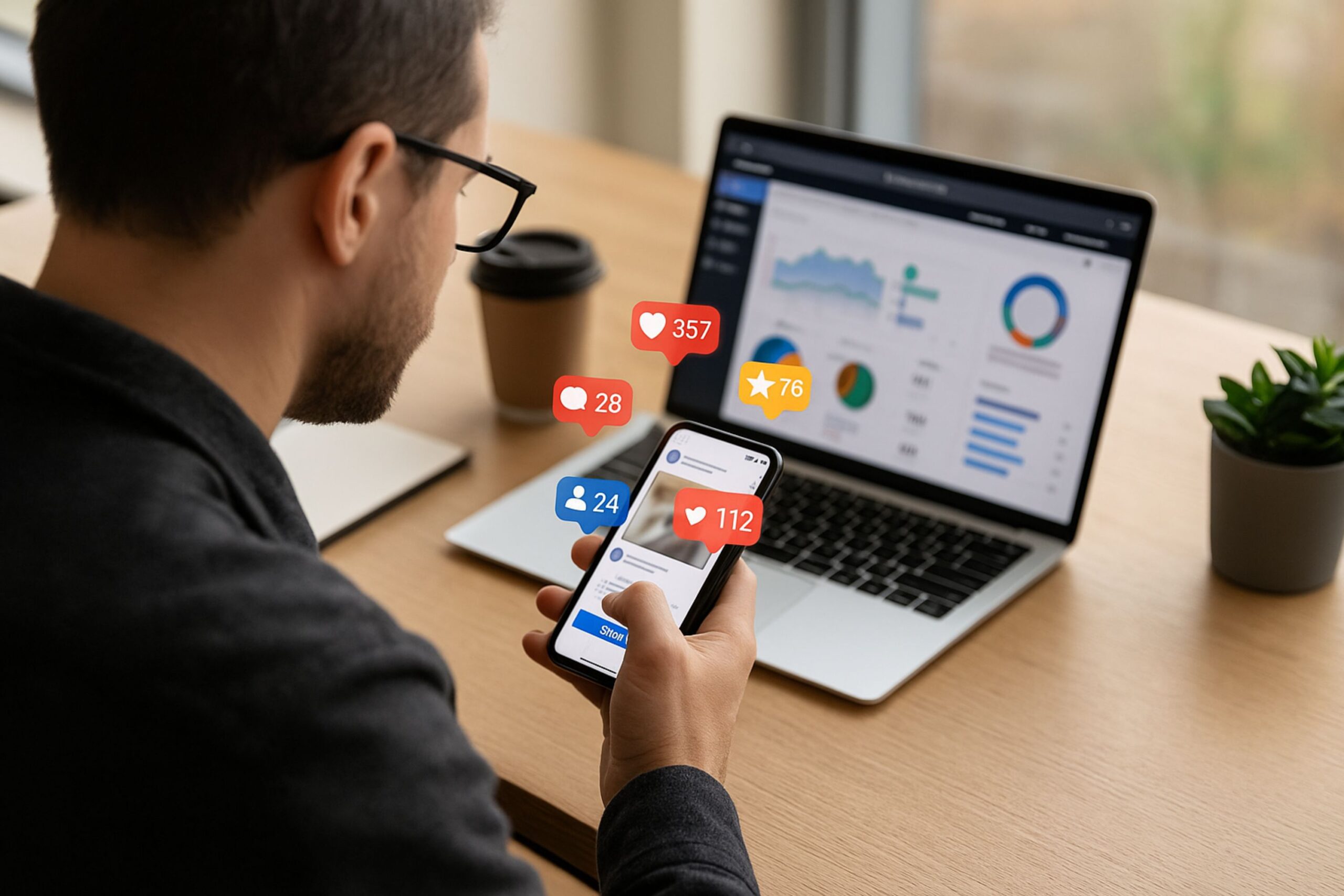
Effective social media listening tracks metrics that reveal audience conversations, sentiment, and influence, showing how these factors shape brand perception and drive business results.
Monitoring precise data exposes what people say about your brand, how they feel, and how far their opinions spread.
Which metrics in social media listening reveal brand awareness?
Brand awareness metrics measure how often and how widely your brand appears in online conversations, helping you track visibility and compare it with competitors.
- Mention volume counts every direct or indirect reference to your brand across social networks, blogs, and forums. Tracking daily and monthly fluctuations highlights campaign impact or sudden spikes linked to news or issues.
- Share of voice indicates the percentage of total industry or niche conversations that mention your brand compared to competitors. Consistent monitoring identifies market position and helps set realistic growth targets.
- Reach and impressions estimate the size of the audience exposed to brand mentions. Reach indicates the number of unique users who view the content, while impressions measure the total number of views, including repeat exposures. Together, they reveal overall visibility and potential influence.
Combine these awareness metrics with location and audience segmentation to see where your brand is gaining the most attention and among which groups. Reviewing the data regularly helps target campaigns, adjust messaging, and guide long-term marketing plans.
How do metrics in social media listening measure sentiment and reputation?
Sentiment and reputation metrics show how audiences feel about your brand and how that perception shifts over time. They turn conversations into measurable signals you can act on.
- Sentiment score measures the ratio of positive, negative, and neutral mentions within a defined period. Track daily and weekly trends to validate improvements and catch dips early.
- Emotion analysis classifies feelings, such as trust, joy, anger, or disappointment, to gauge their intensity and context. Use it to tailor messaging, escalation paths, and product updates.
- Sentiment drivers identify topics, features, or incidents that trigger strong reactions. Map them to releases, service touchpoints, and campaigns to locate root causes and opportunities.
Ongoing monitoring surfaces early shifts in brand perception and potential crises. Set alert thresholds and review by channel, region, and audience segment for precise response.
Which engagement metrics in social media listening show content performance?
Engagement metrics show how actively people interact with conversations about your brand rather than simply viewing them. They help evaluate how well your content motivates action and dialogue.
- Likes, comments, shares, replies, and engagement rate—calculated as interactions divided by reach—reveal the depth of audience participation and interest.
- Analyzing content type performance, such as video, image, or text, highlights which formats spark the most meaningful engagement and should guide future content planning.
Tracking hashtag success and trending topics uncovers campaigns and conversations that gain the most traction, helping refine creative direction and timing for maximum visibility.
Why are competitor benchmarking metrics in social media listening critical?
Benchmarking metrics put your social media performance into perspective by comparing it with direct competitors. They highlight strengths, weaknesses, and untapped market opportunities.
- Monitor competitor share of voice to measure how much of the total industry conversation they capture and to gauge your own market visibility.
- Compare sentiment levels to determine whether your brand earns stronger positive feedback or faces unique challenges, helping refine communication and customer care strategies.
Evaluate topic overlap to identify subjects that competitors discuss, that you may be missing, and analyze the content formats or platforms that drive their best engagement to guide your content and channel planning.
What customer experience metrics in social media listening help prevent risk?
Customer-experience and risk metrics monitor service quality and reveal potential problems before they escalate. They safeguard brand reputation, strengthen customer trust, and support consistent service standards.
- Track the volume of negative mentions and the speed of issue escalation to identify early warning signs of a crisis. Monitoring these trends helps prioritize urgent responses and maintain a positive brand image.
- Measure response time and first response rate to assess how promptly your team acknowledges and addresses customer inquiries or complaints on social media. Fast replies enhance satisfaction and reduce churn risk.
- Track resolution rate to confirm how many issues are fully resolved within social channels without further escalation. High resolution rates indicate effective social care, streamlined workflows, and stronger customer loyalty.
Which business impact metrics in social media listening prove ROI?
Business outcome metrics link social media listening to measurable growth and revenue. They show how online conversations influence sales, customer behavior, and long-term brand value.
- Track referral traffic from social networks to understand how brand mentions and shared content bring qualified visitors to your website or product pages.
- Measure lead generation and conversion rates to see how effectively social interactions turn audience interest into completed purchases, subscriptions, or sign-ups.
Monitor revenue influenced by social channels, along with repeat purchase signals and customer loyalty indicators, to uncover the sustained financial impact of social engagement and advocacy.
How often should you report metrics in social media listening?
Consistent reporting turns social media listening metrics into clear, actionable insights. Regular updates help teams respond quickly to trends, opportunities, and potential risks.
Track high-velocity indicators such as brand mentions, audience sentiment, and engagement rate daily or several times a week to detect spikes, emerging issues, or viral moments.
Review conversions, revenue contribution, and competitor benchmarks on a weekly or monthly basis to evaluate long-term performance and refine strategy.
Compare current metrics with historical baselines and segment results by region, platform, campaign, or demographic group. This deeper breakdown reveals growth patterns, market shifts, and areas needing immediate attention.
FAQs
How can social media listening support product development?
Insights from user conversations help identify unmet needs, preferred features, and pain points. Product teams can prioritize updates or create new offerings based on real audience feedback, reducing guesswork and development risks.
What role do influencers play in social media listening metrics?
Influencers often amplify brand discussions and shape sentiment. Tracking their mentions, reach, and audience engagement highlights potential partnerships and reveals which voices drive meaningful conversations in your market.
How do seasonal trends affect social media listening data?
Consumer interests and online activity shift with seasons, holidays, and events. Monitoring seasonal patterns helps plan timely campaigns, adjust content calendars, and forecast engagement peaks and troughs.
Why segment social listening metrics by language and region?
Segmenting by language and geography exposes local preferences, cultural nuances, and region-specific concerns. This ensures messages are relevant and that compliance with local regulations is maintained.
How can anomaly detection improve social media monitoring?
Automated anomaly detection flags sudden spikes in mentions or sentiment changes. Early alerts help teams investigate potential crises, trending topics, or viral opportunities before they escalate.
What is the benefit of integrating social listening with CRM systems?
Connecting listening data with CRM profiles creates a complete view of customer interactions. This allows personalized outreach, more accurate lead scoring, and better customer lifetime value analysis.
How does competitor campaign tracking enhance market intelligence?
Observing competitors’ campaign hashtags, posting schedules, and audience reactions reveals effective tactics and market gaps. These insights can refine your own messaging and content strategy.
Can social media listening predict customer churn?
Patterns such as rising negative sentiment, repeated complaints, or declining engagement often signal churn risk. Acting on these signals enables proactive retention efforts like personalized offers or improved support.
How does cross-platform analysis strengthen social listening metrics?
Comparing conversations across networks like Instagram, LinkedIn, and TikTok uncovers where engagement is strongest and how audiences differ. It informs budget allocation and content adaptation for each platform.
What privacy considerations are essential in social media listening?
Compliance with data protection laws, respecting user consent, and anonymizing sensitive information are critical. Following privacy standards fosters trust and mitigates legal or reputational risks when analyzing public conversations.
🚀 Subscribe for fresh strategies—🆕 new articles straight to your inbox, ✅ zero clutter.