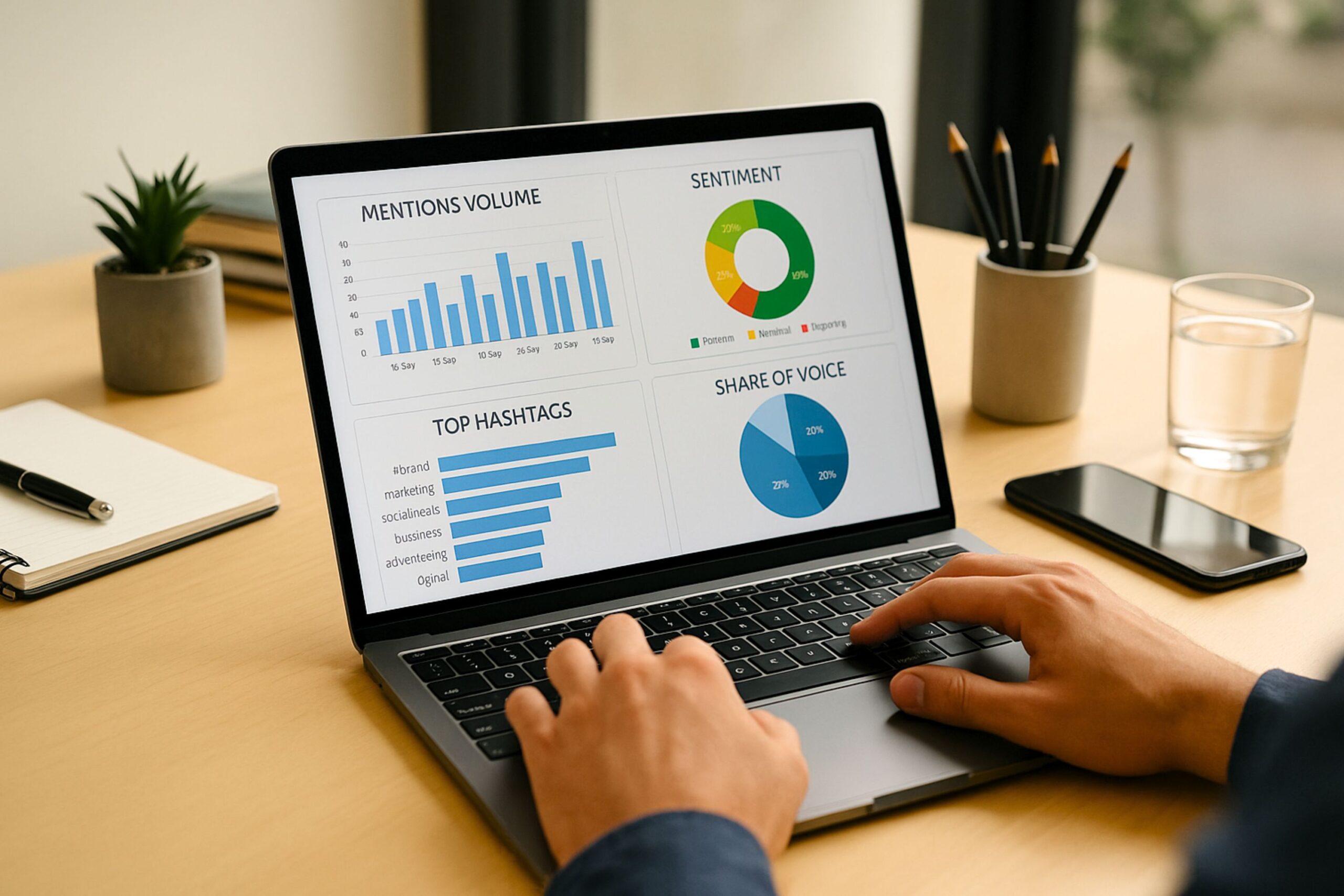
Seasonal trends shift volume, sentiment, topics/keywords, and platform engagement in predictable cycles. Mentions surge around holidays and weather events; sentiment polarizes (celebration vs. stress); seasonal keywords replace evergreen terms; and engagement patterns vary by channel (visual platforms peak during travel/style seasons).
What changes in social listening when seasons shift?
As seasons change, core social media listening metrics – volume, sentiment, topic relevance, and channel engagement – show measurable shifts. Recognizing these changes enables brands to maintain accurate insights and plan effective seasonal campaigns.
Volume of Mentions Rises and Falls with Seasonal Events
Search and conversation spikes often align with significant seasonal moments such as holiday shopping, summer vacations, or back-to-school periods. More people post about gifts, travel plans, or seasonal foods, driving sudden increases in brand mentions and related keywords.
Off-season months, in contrast, typically exhibit slower conversation rates, which set a different baseline for trend analysis.
Sentiment Patterns Swing Across the Calendar
Sentiment scores can change dramatically depending on the time of year. Festive holidays often bring warmer, positive emotions as people share celebrations and gift ideas. In contrast, stressful travel seasons or harsh weather can trigger frustration and complaints, increasing negative sentiment.
Monitoring these seasonal sentiment curves helps teams prepare for predictable peaks and dips.
Seasonal Topics and Keywords Take Center Stage
The keywords and hashtags dominating online conversations shift with the season. In colder months, terms like “winter coats,” “indoor workouts,” or “holiday recipes” trend upward. Warmer months highlight topics such as “beach trips,” “camping gear,” or “summer festivals.” Updating keyword sets and social listening dashboards with these seasonal variations ensures no key trend is missed.
Platform Engagement Changes with Seasonal Behavior
Audience behavior varies across social platforms depending on the season. Visual-first networks like Instagram and TikTok often experience stronger engagement during vacation months, when users share travel photos and fashion looks. In contrast, forums, long-form platforms, and professional networks may gain more attention during quieter, indoor periods.
Segmenting listening data by platform and season provides clearer insights for content strategy.
Why These Shifts Matter for Reliable Insights
Without seasonal calibration, brands may misread a surge in mentions as a crisis or overlook opportunities tied to predictable annual peaks.
Recognizing how volume, sentiment, topic prominence, and channel engagement change through the year makes social listening data more actionable and reduces the risk of false alerts.
How can brands identify recurring seasonal patterns in listening data?
Detecting seasonal cycles in social media listening data requires a mix of historical analysis, continuous tracking, and proactive forecasting. By comparing patterns over multiple years, brands can distinguish between actual seasonal effects and one-off spikes, and plan campaigns with greater accuracy.
Analyze Multi-Year Historical Data for Clear Cycles
Start with at least two to three years of clean listening data. Compare metrics such as mention volume, engagement rate, and hashtag trends across identical time frames – month over month or quarter over quarter.
This reveals consistent patterns, such as the reliable increase in searches and mentions for “Christmas gift ideas” or “summer travel deals” during the same period each year.
Track Keyword Frequency and Emerging Phrases
Seasonal language changes quickly. Utilize automated dashboards to track the frequency of key terms and identify emerging new phrases. Noting when keywords begin to trend earlier or later than usual helps marketing teams adjust publishing schedules, ad buys, and customer support readiness.
Map Sentiment Shifts by Month or Quarter
Charting sentiment scores over time highlights recurring emotional peaks and dips. For example, positive mentions often climb during festive holidays, while negative feedback may increase during winter travel delays or tax season.
Recognizing these sentiment patterns allows for better staffing and more empathetic messaging.
Correlate External Data with Social Signals
Combine social listening data with external sources, such as weather reports, school calendars, sporting events, or regional holidays. A cold snap can drive interest in heating products, while spring break schedules can predict surges in travel-related conversations.
This cross-data approach enhances the precision of seasonal forecasts.
Move from Reactive to Predictive Planning
By identifying these recurring patterns early, brands can anticipate conversation spikes and sentiment swings rather than simply react. This means aligning product launches, influencer campaigns, and customer service staffing with predictable demand, ensuring that social listening remains a forward-looking business tool.
Why do many brands struggle to adapt listening strategies for seasonal variation?
Even experienced teams can misread social listening data when seasonal effects are at play. Sudden spikes, shifting intent, and regional differences create analytical noise that requires more than routine monitoring to interpret accurately.
Seasonal Spikes Distort Baselines
Holiday campaigns, weather events, or sudden cultural moments often trigger sharp increases in mentions. These surges can inflate averages and make it hard to compare performance across months or quarters. Without seasonal baselines, a typical holiday spike may appear as a crisis or viral success when, in fact, it is merely predictable seasonality.
Changing User Intent Complicates Classification
A single phrase can mean different things depending on timing. For example, “cold weather” in October might express anticipation, while in January it could signal complaints or travel delays. If listening tools do not adjust for these shifting intents, sentiment analysis and topic categorization can become unreliable.
Tool Limitations and Concept Drift
Social listening algorithms trained on outdated data may struggle to recognize new slang, seasonal hashtags, or context-specific irony. This “concept drift” can lead to misclassification of sentiment or relevance. Regular model updates and periodic human review are necessary to maintain the accuracy of seasonal analysis.
Missing Segmentation Masks Local Differences
Seasonal effects vary across regions and demographics. A winter sales surge in Canada may coincide with summer discussions in Australia. Without geographic or demographic segmentation, necessary local signals can be obscured by global averages, thereby reducing the precision of insights.
Calibrating Tools and Thresholds Is Essential
Addressing these issues requires proactive calibration, which involves setting seasonal benchmarks, updating keyword libraries, retraining sentiment models, and segmenting data by region and platform. Taking these steps transforms seasonal variation from a source of confusion into a predictable, actionable part of a social listening strategy.
How do seasonal trends affect sentiment, topics, and keyword relevance?
Seasonal shifts reshape online conversations, changing both the mood of discussions and the language people use. These changes directly influence the accuracy of sentiment analysis, trending topics, and keyword strategies in social media listening.
Seasonal Keywords Rise and Fade with Consumer Needs
Searches and mentions for certain terms surge when they match seasonal behaviors. In winter, words like “ski trip,” “holiday sales,” or “flu shot” trend upward, while summer brings spikes in “swimsuit,” “beach trip,” and “outdoor festivals.”
Monitoring these keyword cycles ensures content and advertising stay aligned with real-time demand.
Sentiment Becomes More Polarized During Key Seasons
Emotion in social conversations can swing sharply across the calendar. Holidays often create upbeat talk around celebration and gift-giving, but can also spark frustration over delays or high prices. Likewise, severe weather may prompt concern and complaints, while spring events often boost positive, energetic language.
Capturing these predictable sentiment swings enables brands to adjust their messaging and customer support accordingly.
Topic Prominence Shifts as Interests Evolve
Subjects that are minor in one season can dominate the next. For example, health-related discussions increase in winter due to the flu season, while summer sees a stronger focus on travel planning and outdoor leisure activities.
Updating topic clusters to reflect these seasonal interests ensures that listening dashboards remain relevant and accurate.
Outdated or Irrelevant Keywords Lose Value
Keywords that once performed well can mislead if left unchanged. A term that was trending last season may now attract off-topic mentions, potentially lowering the quality of insights.
Regular keyword audits and taxonomy updates help filter out noise and focus on the terms that matter in the current season.
Keep Listening Frameworks Flexible
Seasonal changes are constant and predictable. Refreshing keyword lists, sentiment models, and topic groupings ahead of each new season ensures that social listening data remains accurate, actionable, and ready to guide timely marketing decisions.
What practices help ensure listening data remains reliable across seasons?
Seasonal fluctuations are predictable, but they can still distort metrics if not managed carefully. Applying structured best practices ensures that social listening data remains accurate and comparable throughout the year.
Set Seasonal Benchmarks for Key Metrics
Establish what “normal” looks like for each season by reviewing historical data on mention volume, sentiment, and keyword activity. Knowing typical winter or summer baselines helps teams distinguish between true anomalies and expected seasonal peaks.
Refresh Keywords and Topics in Advance
Update keyword lists and topic groups before each primary season or holiday period. Include event names, weather-related terms, and trending hashtags to capture new conversations as they start.
This proactive step prevents missed signals and reduces irrelevant mentions.
Adjust Alert Thresholds to Seasonal Patterns
Spikes in conversation are common during holidays, major sales events, or extreme weather conditions. Calibrating alert thresholds to seasonal expectations avoids unnecessary crisis alerts and focuses attention on genuine issues that fall outside normal seasonal ranges.
Calibrate Sentiment Models for Seasonal Language
Seasonal slang, sarcasm, or context-specific terms can mislead sentiment analysis. Periodically review sample posts and retrain or fine-tune sentiment models to ensure accurate interpretation of evolving seasonal expressions.
Maintain Cross-Platform Consistency
Different networks show unique seasonal behaviors. Visual-first channels, such as Instagram or TikTok, may experience a surge in the summer, while professional platforms like LinkedIn tend to peak in early winter planning cycles.
Segment and compare data by platform to maintain clear, reliable insights.
Keep Frameworks Flexible for Ongoing Accuracy
Combine seasonal benchmarks, proactive keyword updates, calibrated thresholds, and platform-specific segmentation. This integrated approach prevents seasonal noise from distorting insights, ensuring social listening continues to guide timely, data-driven decisions year-round.
When should brands increase investment in social listening for seasonal windows?
Certain times of the year call for intensified social listening. Concentrating resources during these key windows ensures brands capture early signals, manage peak activity, and learn from results to guide future strategy.
Pre-Season Planning Captures Early Trends
Increase monitoring in the weeks leading up to significant events, such as Christmas, Black Friday, New Year’s celebrations, and Back-to-School shopping. Early detection of emerging hashtags, product mentions, or customer concerns allows marketing and supply teams to align promotions, inventory, and messaging before demand peaks.
Peak Season Requires Real-Time Oversight
During holidays or high-traffic periods, conversations and brand mentions surge. Extra listening capacity enables teams to respond quickly to customer service issues, adjust live campaigns, and track real-time sentiment surrounding product launches or limited-time offers.
Immediate insights prevent minor issues from escalating and help optimize ongoing promotions.
Post-Season Analysis Strengthens Future Campaigns
After seasonal events conclude, a focused listening review reveals which strategies were effective, which products generated excitement, and where sentiment waned.
These retrospective insights guide planning for the next cycle, making each seasonal campaign more precise and cost-effective.
Why Targeted Investment Pays Off
Boosting resources before, during, and after peak seasonal activity ensures no critical data point is missed.
By understanding trends early, managing live engagement effectively, and conducting thorough post-season analysis, brands can refine their future content, enhance customer experiences, and maintain a competitive edge year after year.
Key Insights and Implications for Brands
| Insight | Implication for Brands |
| Seasonal trends change volume, sentiment, and topics | Adjust listening strategies before predictable seasonal shifts to maintain accurate insights and timely responses. |
| Historical data reveals patterns | Build seasonal benchmarks and compare multi-year performance to forecast audience behavior and plan campaigns confidently. |
| Models can misinterpret seasonal context | Regularly calibrate sentiment tools and refresh keyword taxonomies to prevent misclassification of seasonal language or slang. |
| Resource allocation is seasonal | Scale monitoring and customer engagement resources up or down to match high-impact periods such as holidays or major events. |
| Region and platform segmentation matter | Segment data by geography and social channel to account for differing seasonal calendars and platform-specific audience habits. |
| Early detection of emerging trends is critical | Track rising hashtags and keyword frequency to act on new seasonal conversations before they peak. |
| External factors amplify seasonal effects | Integrate weather, cultural calendars, and economic data to refine predictions and improve campaign timing. |
| Post-season analysis drives improvement | Conduct after-event reviews to identify best-performing content and fine-tune next year’s strategy. |
Turning Seasonal Insights into Actionable Social Media Strategies
Seasonal changes redefine how audiences communicate and engage online, so keeping a close watch on the essential metrics in social media listening is key to reliable insights. Tracking volume, sentiment, share of voice, and keyword relevance against seasonal benchmarks enables brands to act on genuine trends rather than short-term noise. By combining multi-year data, region and platform segmentation, and proactive keyword updates, marketers can transform seasonal fluctuations into opportunities for better timing, sharper content, and stronger customer connections throughout the year.
Building on this foundation, brands can rely on tools that help identify micro-viral opportunities to detect emerging conversations before they spread widely. Advanced social listening dashboards, trend-spotting AI, and real-time hashtag trackers highlight early engagement surges, making it easier to capture micro-viral opportunities that align with seasonal peaks and launch campaigns at the most effective moment.
By transforming seasonal data into timely, actionable insights, these tools ensure that accurate, real-time audience signals inform marketing decisions.
Equally important, user-generated content (UGC) amplifies these micro-viral opportunities. Reviews, unboxing videos, and authentic social media posts create trust and spread more quickly than traditional branded material. By monitoring UGC alongside seasonal and micro-viral data, marketers can pinpoint which themes and visuals resonate most, design campaigns that harness organic enthusiasm, and extend the lifespan of seasonal or trend-driven moments.
Together, these practices ensure that social listening remains accurate, responsive, and primed for lasting engagement throughout every season.
FAQs
How can seasonality influence competitor benchmarking in social media listening?
Competitor activity often peaks at the same seasonal moments as consumer interest. Tracking rivals’ share of voice, campaign timing, and keyword shifts during these periods gives a more transparent benchmark than year-round averages.
What metrics best show early signs of a seasonal trend emerging?
Look for sudden increases in niche hashtags, rising engagement rates on exploratory posts, and higher search intent around seasonal keywords. These early signals typically appear before overall mention volume spikes.
How do seasonal product launches affect audience engagement data?
Product drops tied to seasons – such as limited winter menus or summer collections – can create short-lived engagement surges. Separating these event-based spikes from baseline activity ensures accurate analysis of growth.
Can machine learning models predict seasonal audience sentiment?
Yes. Predictive models trained on historical seasonal sentiment can forecast mood swings tied to weather, holidays, or cultural events, helping brands plan tone and messaging in advance.
How should brands handle regional seasons that overlap, such as winter in one hemisphere and summer in another?
Segment listening dashboards by geography and climate zone. This ensures northern and southern hemisphere data are not combined in ways that obscure opposite seasonal trends.
What role does cultural context play in seasonal listening analysis?
Cultural calendars – festivals, sports seasons, or national holidays—shape when and how people discuss specific topics. Incorporating these regional events improves the accuracy of seasonal insights.
How can paid social campaigns distort seasonal listening metrics?
Large ad spends can create artificial spikes in mentions and engagement. Tagging or isolating paid campaigns helps distinguish organic seasonal conversation from paid amplification.
Are there tools to visualize overlapping seasonal cycles across years?
Yes. Advanced listening platforms and BI tools like Tableau or Power BI can overlay multi-year datasets, showing repeating peaks and troughs for keywords and sentiment across different seasons.
How do changing climate patterns affect long-term seasonal predictions?
Shifts in weather norms can delay or advance seasonal behaviors, such as gardening or ski travel. Updating models with recent climate data ensures that forecasts remain aligned with real-world conditions.
What is the impact of school and university schedules on seasonal trends?
Academic calendars significantly impact conversations about travel, shopping, and event planning. Tracking semester breaks and exam periods helps predict when these topics will trend.
How can brands link seasonal social insights to sales forecasting?
By correlating seasonal spikes in product mentions with past sales data, marketers can refine inventory planning and promotion timing, reducing stockouts and overproduction.
Why is metadata enrichment important for seasonal listening data?
Adding metadata such as location, device type, or time of day provides context that helps explain seasonal shifts and improves the precision of audience segmentation and targeting.
🚀 Subscribe for fresh strategies—🆕 new articles straight to your inbox, ✅ zero clutter.